NEWS
Travel back in time with Bruce Denny
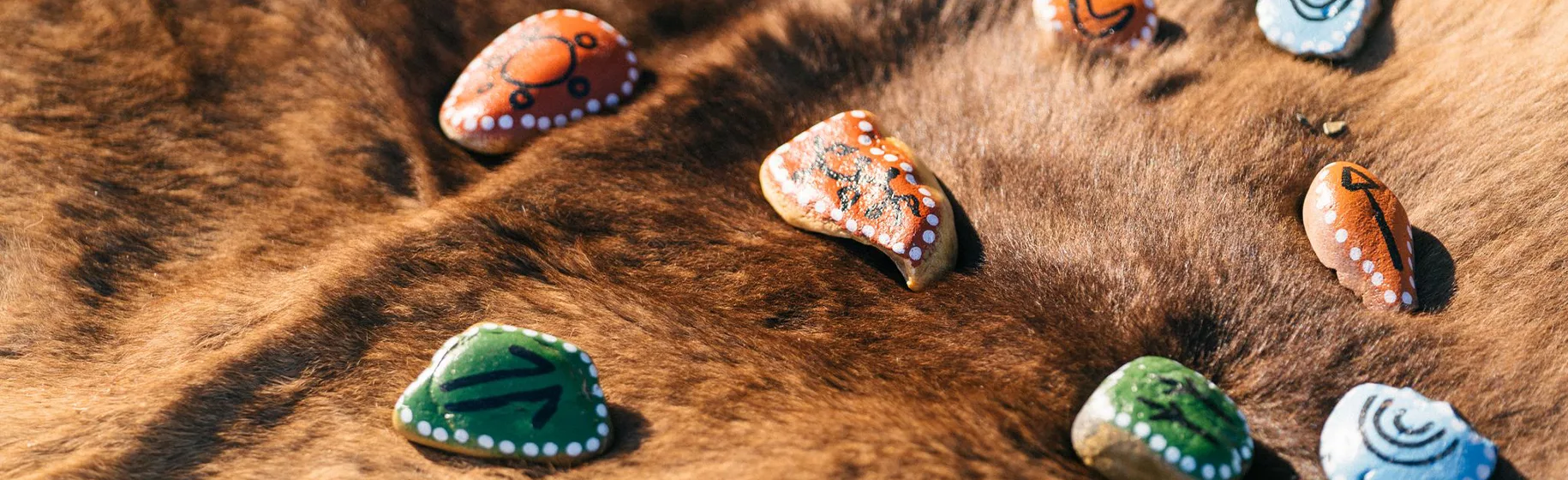
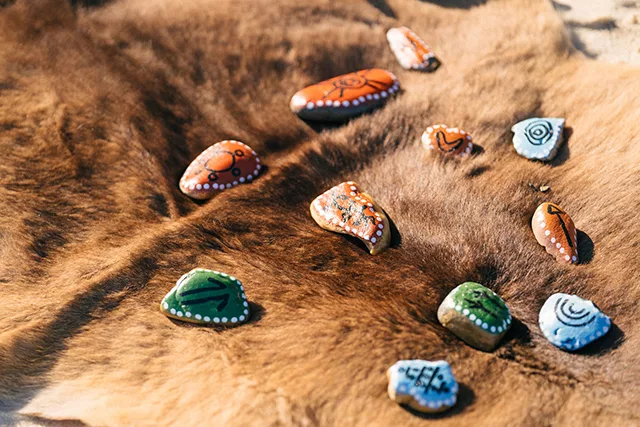
Visitors to CAN’s upcoming exhibition Doontanboro Kura / Melville Waters Dreaming will be transported back in time by an animation of an ancient Noongar creation story, scripted by Bruce Denny.
Ahead of the exhibition, Bruce told CAN’s Nina Levy about how a kid who didn’t make it through high school became a highly respected playwright, director and actor.
You may know it as Canning Bridge, but the original Noongar name of the place where the Derbal Yaragan (Swan River) and the Dyarlgarro (Canning River) meet is Wagoorjup.
The name Wagoorjup means Place of the Rainbow Serpent, and it’s named this because, according to ancient Noongar lore, it was the Waugul (Rainbow Serpent) who created those two rivers and the place where they meet.
That story will be told in an animation that will be presented at CAN’s exhibition Doontanboro Kura / Melville Waters Dreaming this October. The exhibition is the culmination of the long-running Places Names Melville project, produced in collaboration with the City of Melville and Moodjar.
Scripting the animation is Yamatji/Native American playwright, director and actor Bruce Denny, who is working alongside Ballardong Noongar, Nimunburr and Yawuru artist Kamsani Bin-Salleh (Kambarni) and animator Alexander Hare, to bring this ancient story to contemporary audiences.

CAN Team
(L–R) Animator Alexander Hare, Yamatji/native American writer Bruce Denny and Nimunburr, Yawuru and Ballardong Noongar illustrator Kamsani Bin-Salleh (Kambarni) in front of the Place Names Melville map
To write the story, Bruce has met with Noongar Elders from the Place Names Melville Decoding Advisory Group, in a series of 4 intensive workshops.
“During the workshops I've been asking the Elders, what's going to be important in the story? What do you see in this story? And then I'll sit back and listen to them, let them yarn,” says Bruce. “I take notes the whole time. I want to make sure that they all feel they're really heard and listened to."
It’s an incredibly rewarding process, says Bruce, and the resulting script is an evocative journey that brings the ancient Noongar past into the present, and includes directions for the contemporary visitor to Wagoorjup on how to pay your respects to the land and show the Waugal that you come in good spirit.
Background image by Pip Kelly
Reading Bruce’s script it’s hard to believe that as a teenager in high school he was failing English.
“In high school, I was not allowed to do drama, because you had to be in advanced English to do that. I wasn’t passing English… but I didn't like what they gave me to read,” Bruce recalls. “I was reading 1984, Animal Farm, Kangaroo, by DH Lawrence.
“At the end of third year high school, the principal called me down to his office and said, I'll give you a really good reference, Bruce, if you do not come back to school. We shook hands and I got a really great reference.”
In spite of the gatekeeping practices of his high school, Bruce found his way into community theatre as a young adult, in the late 1980s. That was a springboard into professional work, which saw him move from modelling into television commercials, followed by extras roles, and then television and film roles, in titles such as Gallipoli, Cloud Street, Bran Nue Dae and Bush Patrol.
In WA Bruce is perhaps best known for his work as a stage actor, most recently seen in Yirra Yaakin’s The Sum of Us, where he gave a performance infused with warmth and sensitivity as solo parent Harry.
Hugh Sando
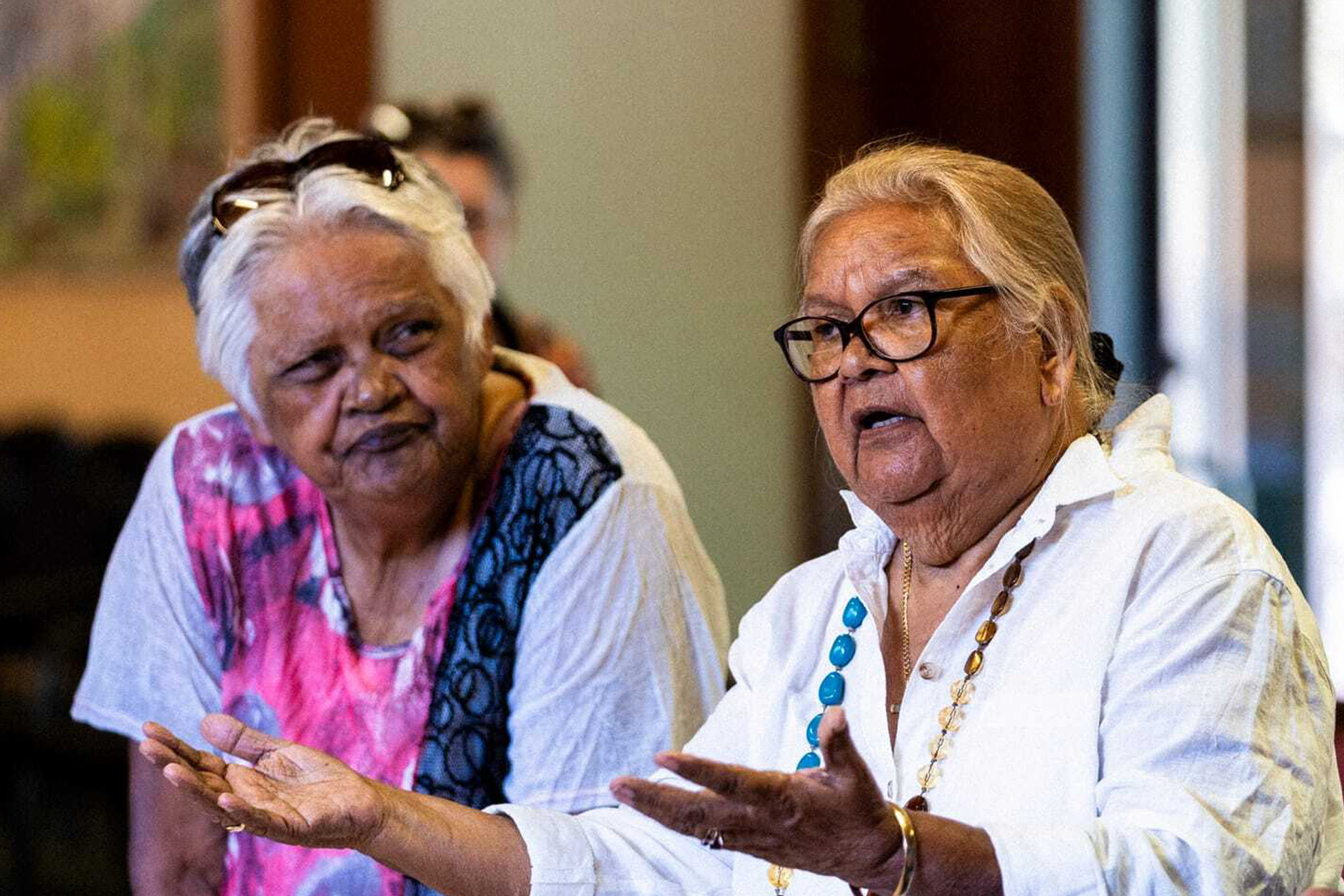
(L–R) Elders Sharon Calgaret and Dorothy Winmar sharing their stories at one of the Place Names Melville workshops
Bruce believes that his affinity for acting may be connected to his upbringing. A member of the Stolen Generation, he was taken from his mother as a baby.
“I was raised in white bread Mount Lawley. But I was raised by two very beautiful people. I never suffered the misfortune of the missions, or the homes, or the abuse. What a lot of kids went through was horrific. So in some ways, I consider myself fortunate, but I also regret being separated from my mother, and not being raised in culture.
“If you don't know where you really belong, you might start taking on other identities. Or if you're this colour in white bread Mount Lawley, you've got to act a certain way or hide in a way. I've met several other actors who are adoptees. I feel far more comfortable on stage playing somebody else, than if I've got to be up somewhere talking about myself.”
Over the years, Bruce’s career has expanded to include directing and writing, and it’s in his capacity as a writer that he is working with Community Arts Network.
Background image by Hugh Sando
For Bruce, writing – whether poetry or prose – has always been a way to work out how he thinks or feels about things, and his latest play, Operation Boomerang – which will be presented by Yirra Yaakin Theatre Company in October – is no exception.
“The idea for Operation Boomerang came from a role-play I did for Notre Dame University,” he says. “I was playing the role of a patient – it was based on a true story,” says Bruce. “The patient had been given only a week or two to live because of dialysis failure. And so he said, ‘I need to get home to Esperance, to my country.’ And the medico says, ‘No, no, you got to stay hospital.’ And he said, ‘No, I'm dying, I need to get home on my Country.’ The medico couldn't understand the importance for Aboriginal people, that Country is where they really belong.
“The idea for the play also came from caring for my mother, and a couple of aunties who got dementia and ended up in nursing homes, and how they all hated going in there, because they knew what was happening to them. And they get booted from their own home into a tiny unit, after having their own homes and the neighbours and everything else.
“So that’s where Operation Boomerang comes from. It's basically about this Nanna in a nursing home – I can’t give away too much but she plots with her family to break out. It's a comedy with a serious message.”
Like Operation Boomerang, the Wagoorjup creation story that Bruce is currently scripting is about the relationship of First Nations people to Country.
The animation is just one of many beautiful artworks that will be on display at Doontanboro Kura/ Melville Waters Dreaming, immersing visitors in the ancient Noongar language and culture of the Melville area via its original Noongar placenames and their meanings.
Doontanboro Kura / Melville Waters Dreaming opens Friday 4 October 2024, at Wireless Hill Museum.
Pictured top: Hand painted Aboriginal river rocks // credit Hugh Sando


Monday – Friday, 9am – 5pm
PO Box 7514 Cloisters Square WA 6850
King Street Arts Centre
Ground Floor
357–365 Murray Street
Perth WA 6000
08 9226 2422
admin@can.org.au
ABN: 72106364407
Copyright 2026 CAN