NEWS
The power of decoding Place Names
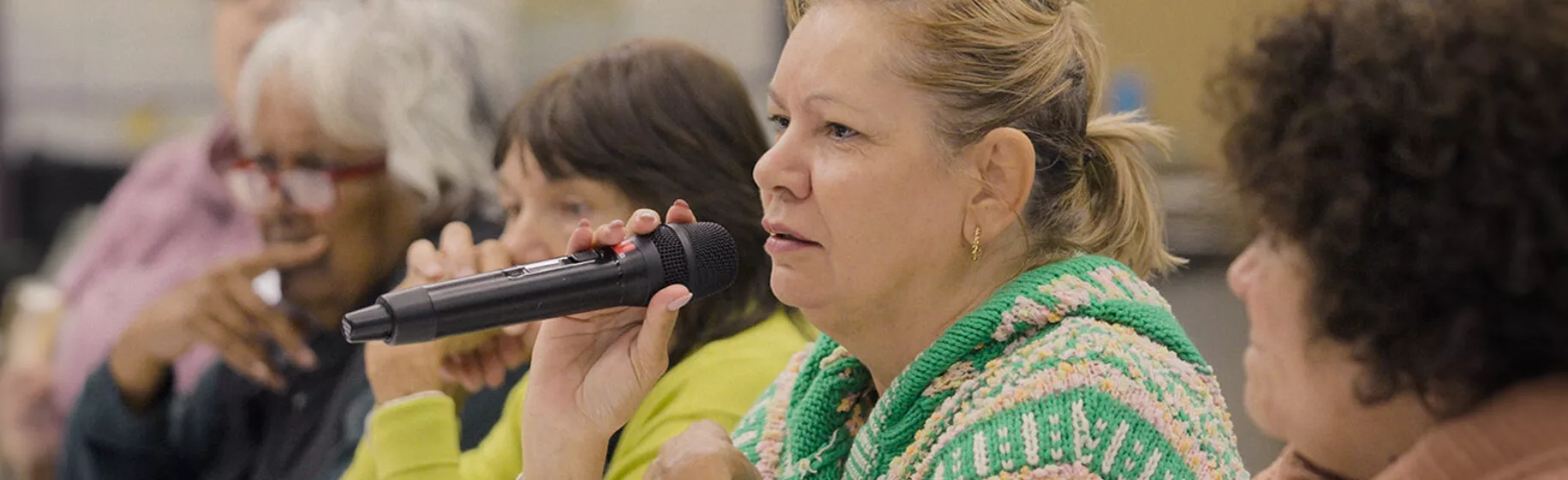
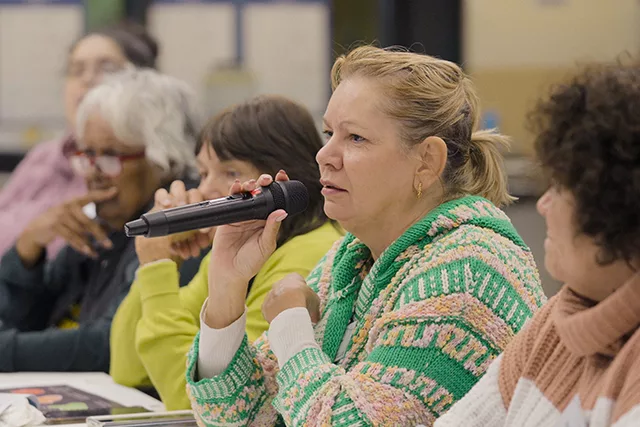
Produced in partnership with Moodjar Consultancy and the City of Melville, Place Names Melville aims to decode the ancient meanings embedded in Noongar placenames within the City of Melville.
It was my great honour to be at one of the last of the place names decoding sessions for the Melville Place Names project.
These group workshops are so powerful, so enlightening, so culturally grounding and important, it’s hard to not get flowery with all the descriptions, but I truly felt like I’d witnessed history in the making.
I was in a room full of strong, empowered, passionate Elders and community leaders asserting their cultural authority, holding space and sharing knowledge, all with an open heart.
For the past 5 weeks, they have come together to unpack, or decode the meanings of 16 locations with Noongar names in the City of Melville.
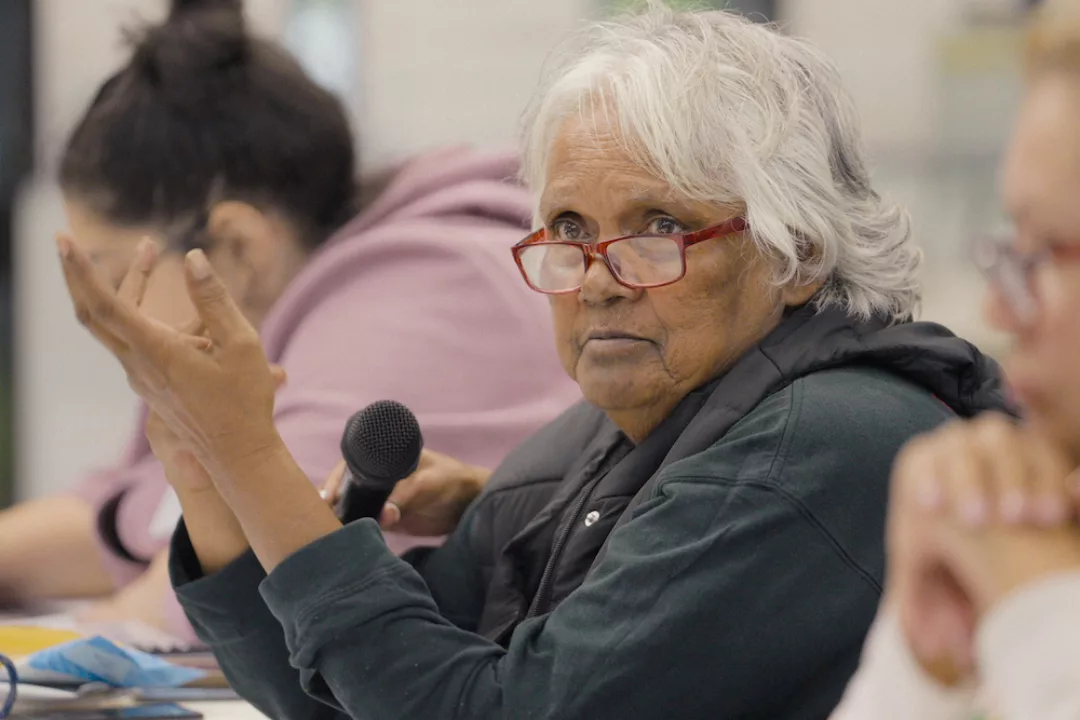
Noongar traditional owners are coming together here to share their knowledge, working together to decode the ancient names of his land and bring their meanings and stories to the forefront. Sharon Calgaret // credit Hugh Sando
The process has been rigorous, transparent and culturally informed.
Under the guidance of Professor Len Collard and his team from Moodjar consultancy, alongside program managers Community Arts Network and the City of Melville, the group has been taking these names and reverting them back to their rightful form – sentences. It’s these sentences that unlock the meaning to those places. They’re the key to unlocking the rich cultural stories that are embedded in these names.
What has happened in these workshops is even more profoundly moving given that we are doing this while trying to stay afloat in a sea of noise and outright racism generated by the upcoming referendum about the Voice to Parliament.
While the country debates whether to vote yes or no, the brutal fact is that it doesn’t matter what First Nations people think or want. We are the minority. Our fate is in the hands of 97% of the non-Indigenous population who, truth be told, won’t even be directly impacted by the result, whichever way it goes.
But Aboriginal and Torres Strait Islander people will be.
We get to wake up on October 15 and find out what our fellow Australians really think of us.
Let that sit with you for a moment if you’re not First Nations.
If the Yes vote gets up, we will, after 132 years, be finally recognised in the Constitution as the First people of this country… and with that recognition, we will be given a constitutional right to have a say in matters that directly affect us.
If the no vote gets up, then what?
How do we, as a nation, reconcile that decision and move forward?
How do we tell the world that the 97% majority of this country, decided to refuse to acknowledge or listen to the other 3% – the traditional owners of the land whose sovereignty was never ceded.
The polarising debates, the outright lies and latent racism during this campaign have been traumatic. We’re tired of fighting for voice and space. We’re tired of being treated like a problem or a threat, or even worse, not even worthy of any consideration. The No campaign's slogan “If you don’t know, vote no”... Wow. Really? We’re not even worth a quick Google search?
But as I write this and reflect on what lies ahead with the referendum I feel comfort in experiencing the tangible power in this library room in Melville.
Noongar traditional owners are coming together here to share their knowledge, working together to decode the ancient names of his land and bring their meanings and stories to the forefront. By doing this they are reaffirming their custodianship of this country.
This cultural information will be shared, so that every person who lives or treads on these places, will have access to that ancient history. They will be given knowledge that extends to them a deeper connection and understanding of the land on which they live – a history that is embedded in the landscape.
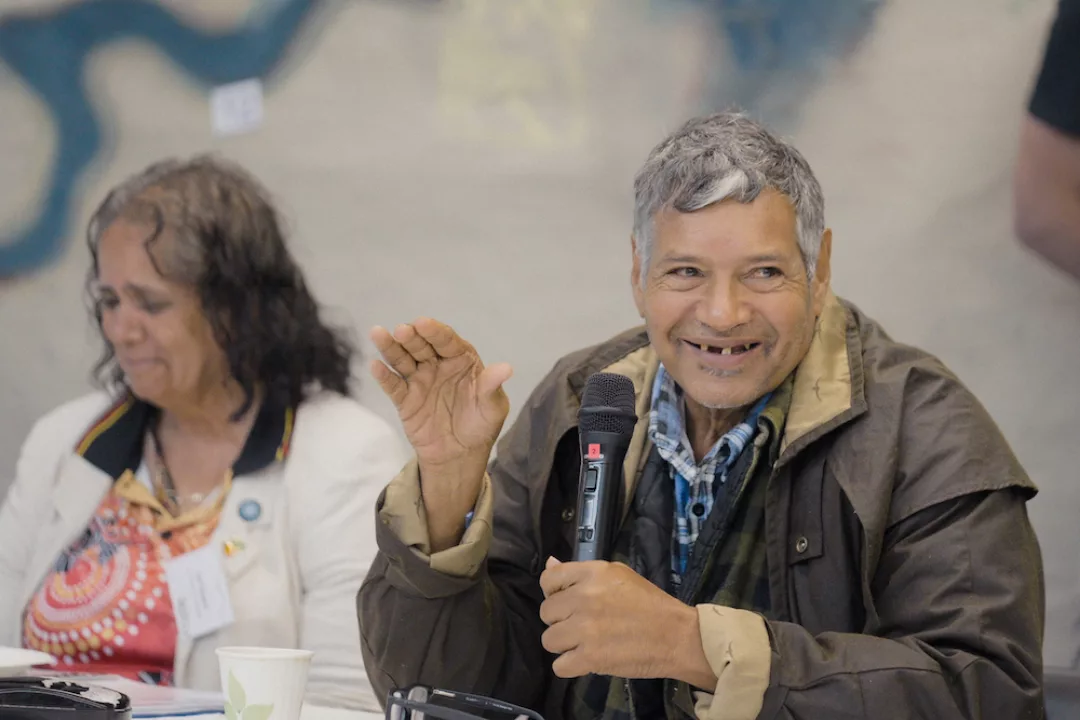
This cultural information will be shared, so that every person who lives or treads on these places, will have access to that ancient history. L-R: Geri Hayden and Trevor Walley // credit Hugh Sando
Reclaiming Noongar placenames is not about replacing or the total erasure of colonial place naming (although there is a pretty strong argument about removing the names of mass murderers). This is about Noongar culture being respected, being seen and being heard.
A bit like the Voice.
Top: These decoding workshops are so powerful, so enlightening, so culturally grounding and important. Diana Ponton // credit Hugh Sando
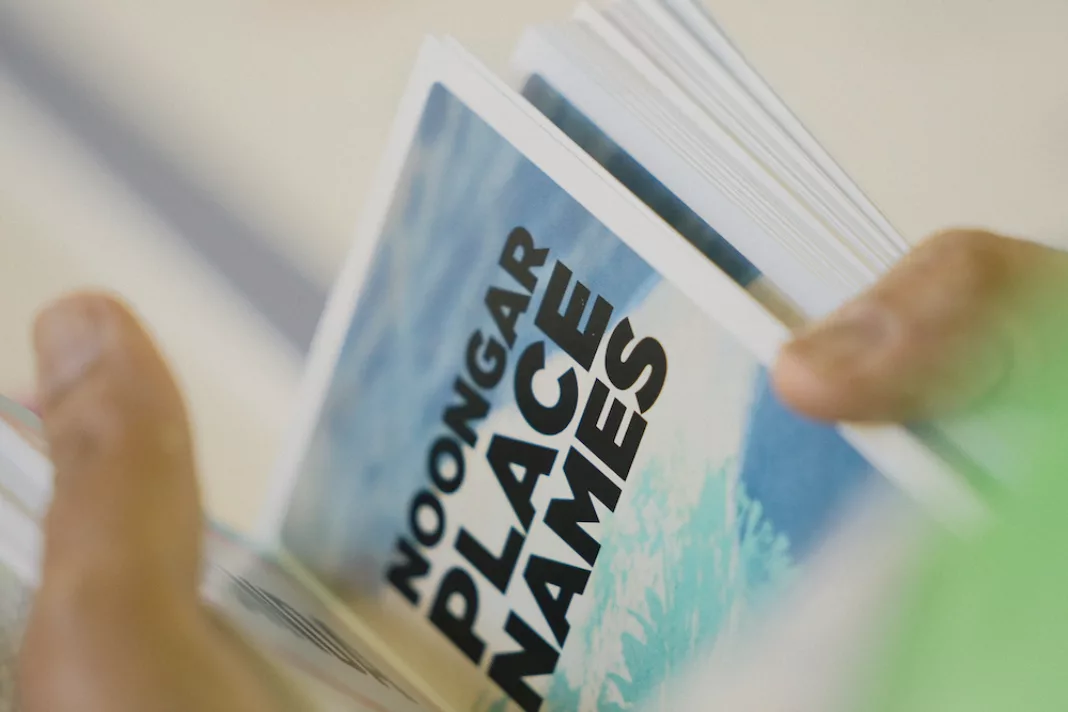 Hugh Sando
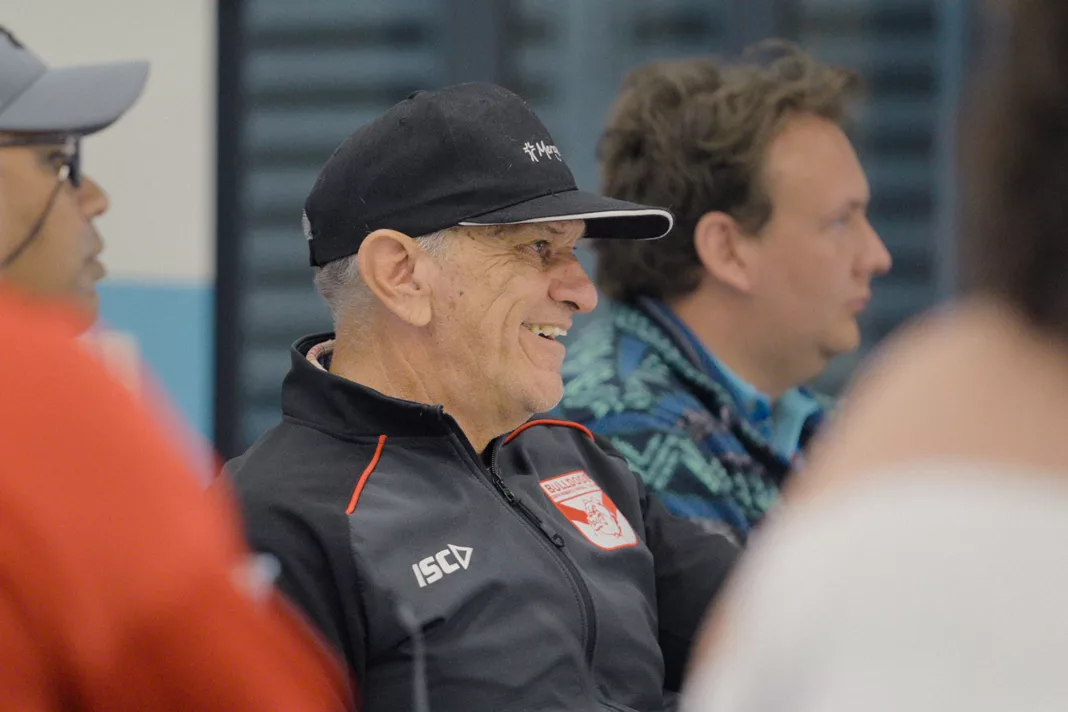 Len Collard and Dylan Collard from Moodjar
Hugh Sando
Len Collard and Dylan Collard from Moodjar
Hugh Sando
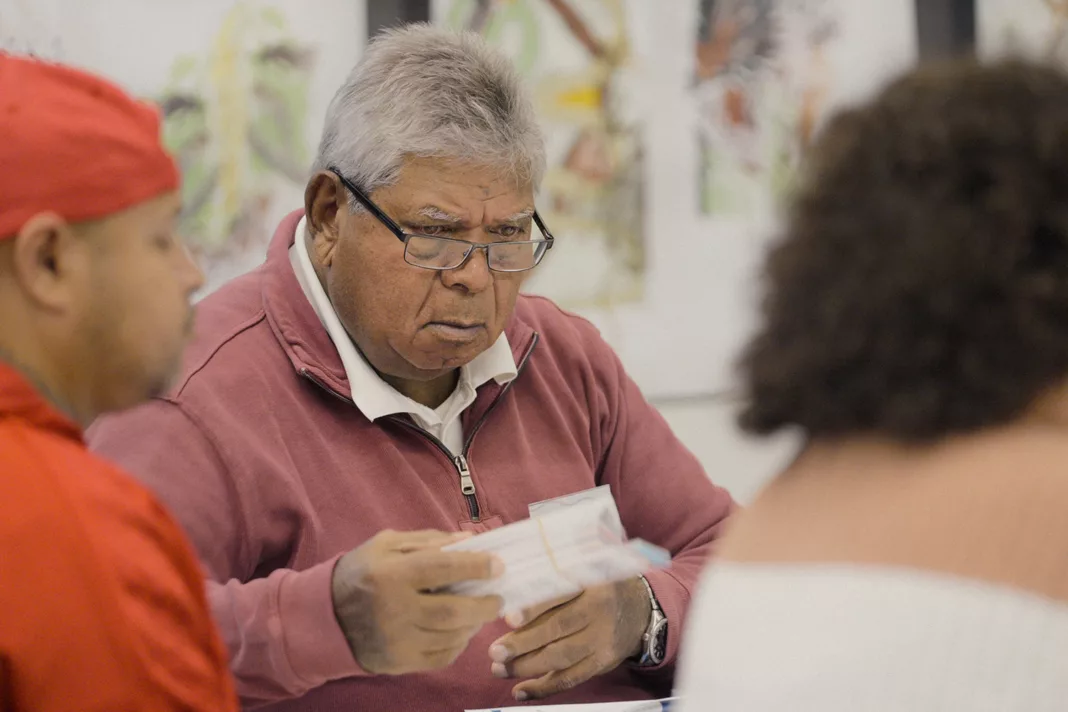 John Hart and Joseph Collard
Hugh Sando
John Hart and Joseph Collard
Hugh Sando
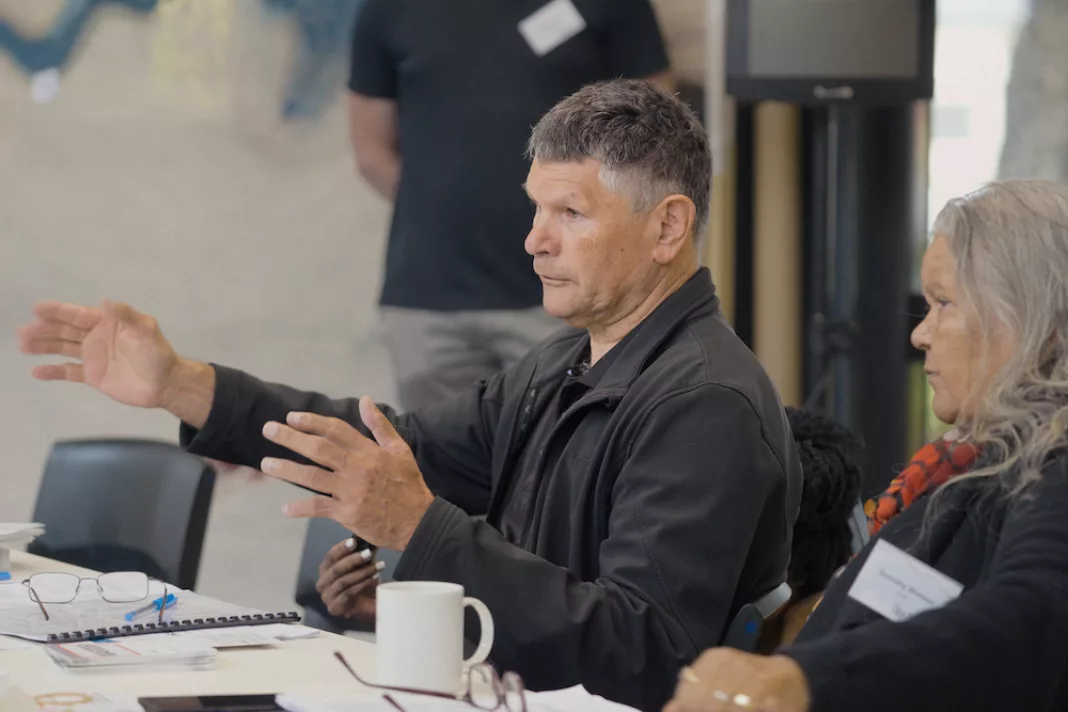 Richard Walley at a recent decoding workshop.
Hugh Sando
Richard Walley at a recent decoding workshop.
Hugh Sando
 Hugh Sando


Monday – Friday, 9am – 5pm
PO Box 7514 Cloisters Square WA 6850
King Street Arts Centre
Ground Floor
357–365 Murray Street
Perth WA 6000
08 9226 2422
admin@can.org.au
ABN: 72106364407
Copyright 2026 CAN