NEWS
Finding a road to pandemic recovery for the arts
It may be 4 years since WA’s first lockdown, but we’re still feeling the effects of the pandemic. What will it take to restore our arts sector to full health?
2020's first pandemic lockdown had an instant impact on the arts in WA.
Shows were cancelled, venues closed. Even as restrictions eased, cancellations continued due to capacity restrictions, border closures, snap lockdowns, quarantine laws and, eventually, COVID transmission.
Then there were the job losses – 23% across the WA arts and recreation sector by the end of May 2020. Casual jobs in the creative industries fell by 74% between 1 April and 30 June, and freelance and contract opportunities dropping by 78%.
Like so many organisations, at CAN we quickly adapted to working from home, moving all of our systems into a cloud-based server. Our collaborative community arts projects, which are normally built on face-to-face interaction, were less easy to take online and so we extended delivery times.
While extending deadlines addressed the immediate issue, it had repercussions, both for CAN and for the contracted artists we work with on projects. Independent artists who depend on a portfolio of freelance and casual contract work for their income were among the hardest hit by the pandemic, because they generally did not qualify for the JobKeeper safety net offered by the Australian Government.
Four years on, it appears that it’s show business as usual for the WA arts sector. Scratch the surface, however, and you’ll find that we’re still bruised by the pandemic’s pinch.
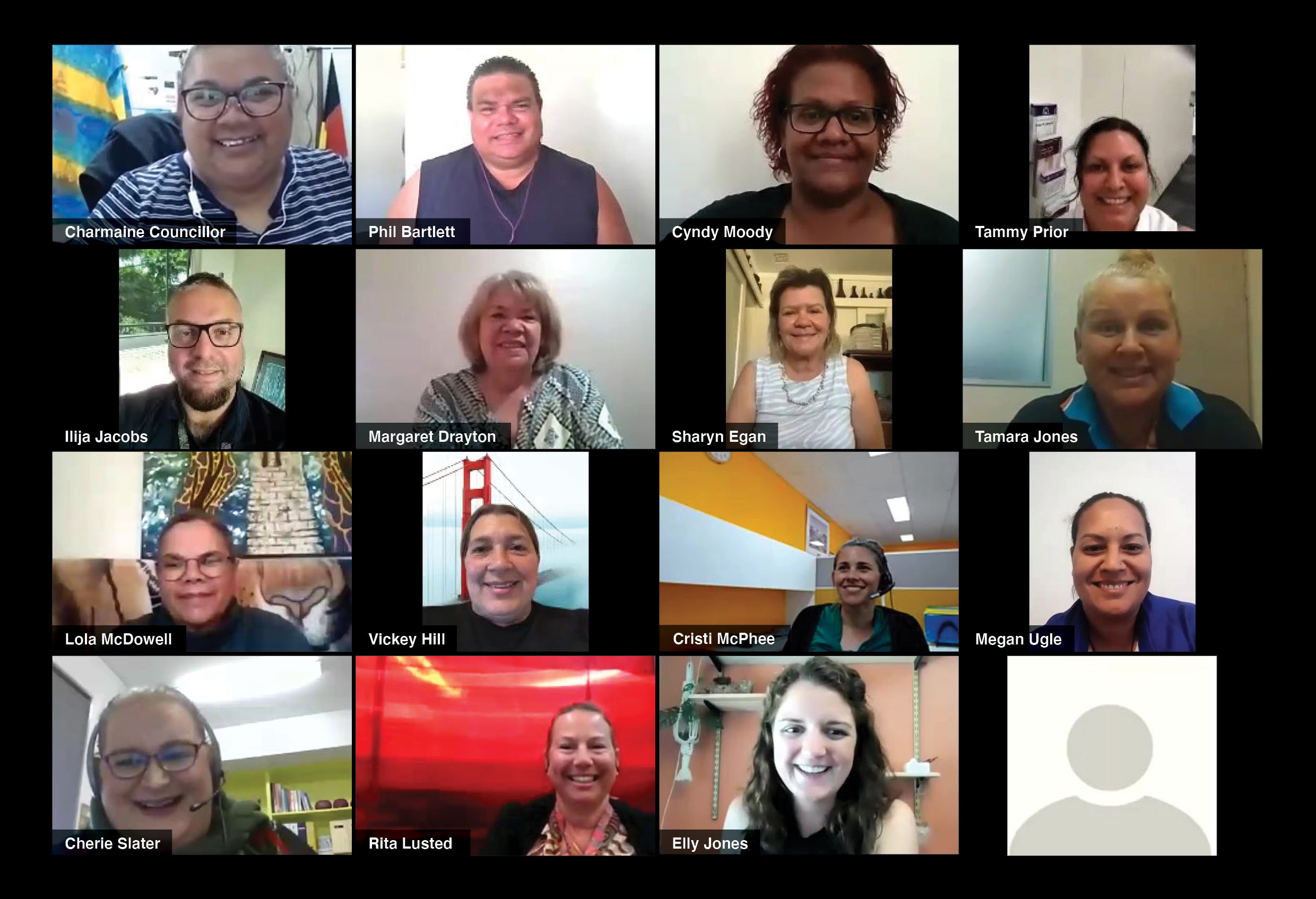
CAN Team
Like most arts organisations, CAN's resources were stretched to the limit by the pandemic. Pictured: CAN's Noongar Lullabies program being delivered online during lockdown in 2020
In the CAN office, for example, the implications of COVID have reached far beyond the pandemic lockdowns. While we could extend our project timeframes to work around restrictions on group gatherings there was no additional funding made available to cover those extensions. Our resources were stretched to their limits whilst we tried to achieve the right outcomes for our communities. That challenge has a knock-on effect that is still felt today.
Looking at the sector more broadly, we see that the bruises are not just financial, as local independent producer, director and performer Libby Klysz observes.
“We still haven't healed from the hurt that the pandemic gave us, and continues to give us,” she says. “The survival instinct of fight/flight kicked in, and because of the nature of what we do we haven't had time for those systems to settle down and reset … we haven't switched back into thrive mode.
For those who lost their jobs, emotions are particularly raw.
“If you've been a jobbing creative for 15 years, and then that's taken away from you … there's a real grieving there and a sense of displaced identity,” says Klysz.
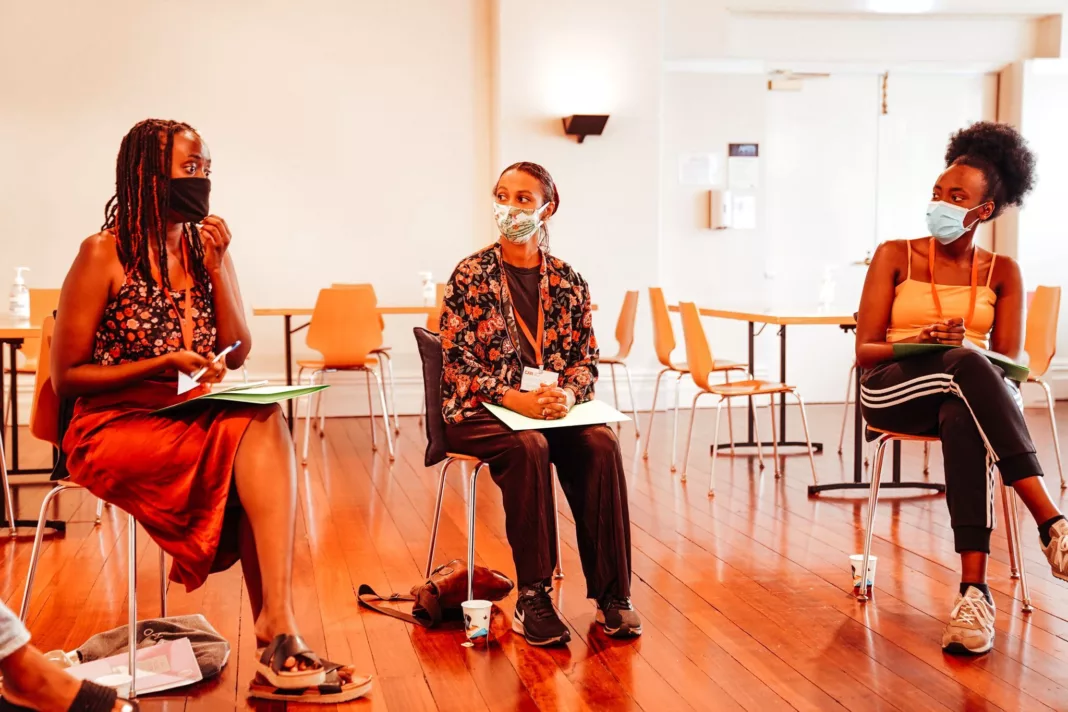 Masking and social distancing at CAN's Rooted in Freedom 2021 workshop
Emele Ugavule
Masking and social distancing at CAN's Rooted in Freedom 2021 workshop
Emele Ugavule
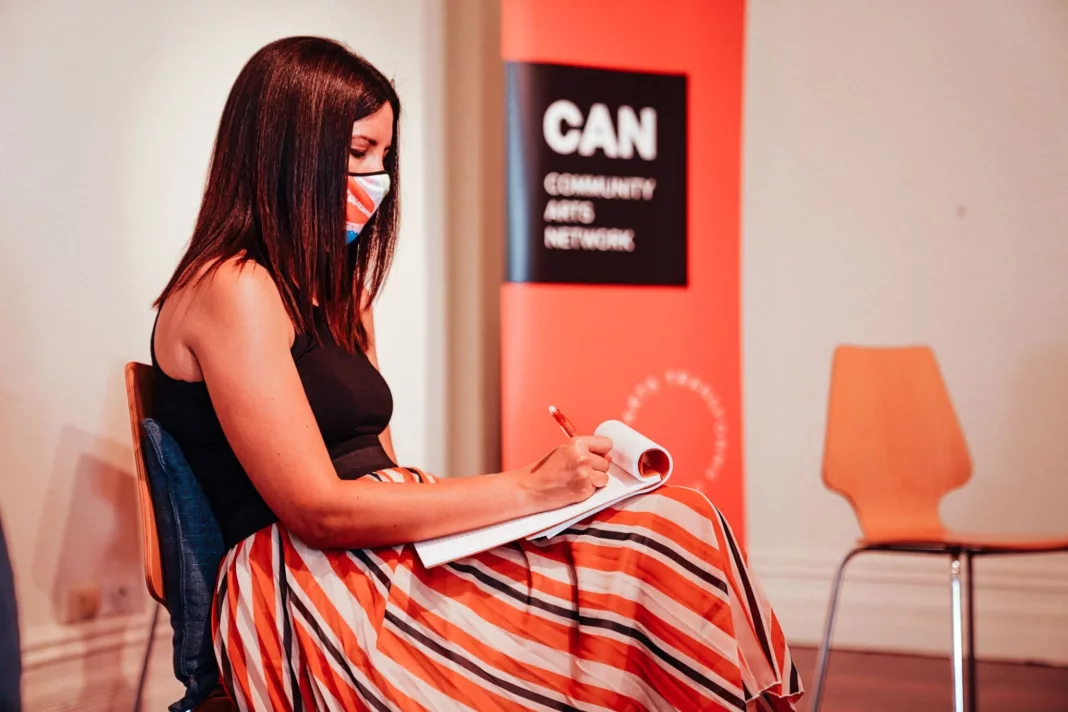 Masking and social distancing at CAN's Rooted in Freedom 2021 workshop
Emele Ugavule
Masking and social distancing at CAN's Rooted in Freedom 2021 workshop
Emele Ugavule
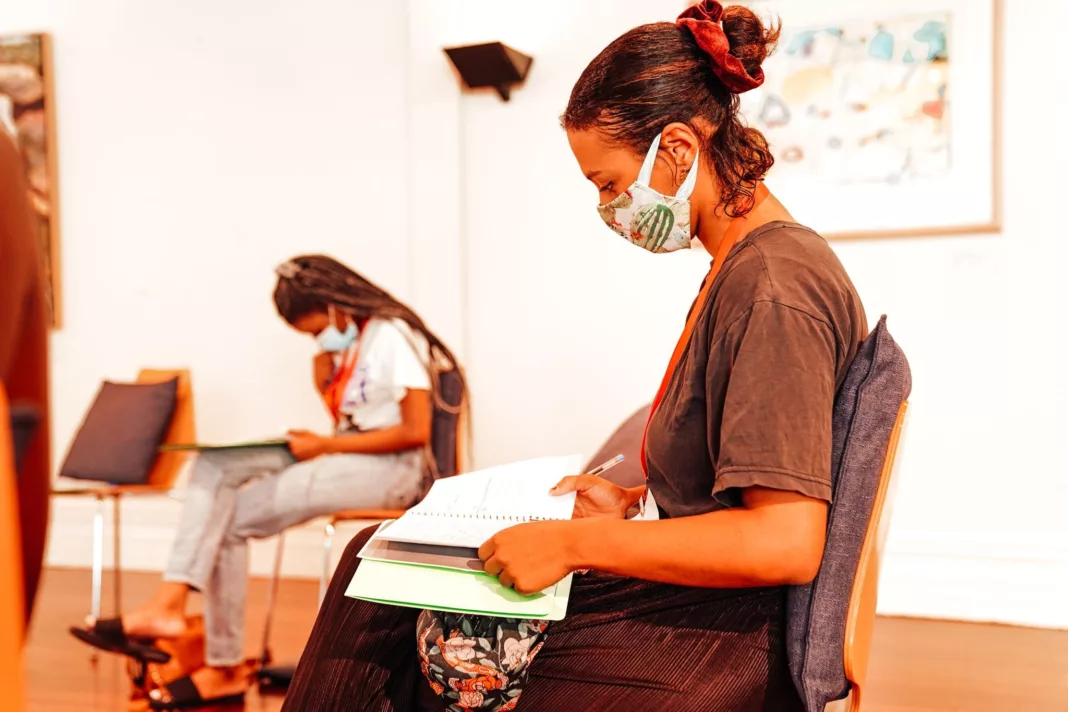 Masking and social distancing at CAN's Rooted in Freedom 2021 workshop
Emele Ugavule
Masking and social distancing at CAN's Rooted in Freedom 2021 workshop
Emele Ugavule
The newly appointed CEO of the Chamber of Arts and Culture WA (CACWA) Tania Hudson notes some positive pandemic impacts. Increases in audience interest in local stories and histories, innovations in audience development, and awareness of the health and wellbeing benefits of arts and culture are some examples.
There’s a flipside, though.
“We're hearing of live venues, particularly small venues, closing down. These are feeder development venues, important for our local talent," says Hudson. "And of course, the cancellation of music festivals across Australia is sadly becoming more prevalent.
“Organisations have been hit with rising insurances, rising cost of living, and … changing habits of audiences and patrons, who are more risk averse in a climate where COVID is still at large, reducing ticket sales.”
At CAN that habit change has manifested as a drop in participation rates, particularly among the many vulnerable communities with whom we collaborate, who are aware of the COVID risk associated with gathering in-person. Our participation numbers are only just now returning to pre-pandemic levels.
The increased risks associated with COVID also mean increased production costs, says Klysz. “You’re budgeting swings [in case cast or crew get COVID], what you’ll do if a tour gets cancelled.”
Show cancellations have a cumulative impact, says Hudson. ““If a show is cancelled, the effect on performers, venues, producers, staging, lighting, costumers, directors ripples right out into the community.”
It’s no wonder, says Klysz, that many are choosing to leave, either for the East or for other sectors.
“In particular we’re losing people who are no longer emerging, but are not quite mid-career. In a couple of years, that's going to be really hard for us,” she says.
Roads to recovery
One of the reasons COVID has hit WA arts so hard, says Klysz, is that the sector wasn’t in a strong position to begin with.
“I’m not the first to make this observation, but there were cracks showing well before the pandemic,” says Klysz. “COVID shone a bright light through those cracks.”
So how do we fill the cracks?
Gaia Boranga
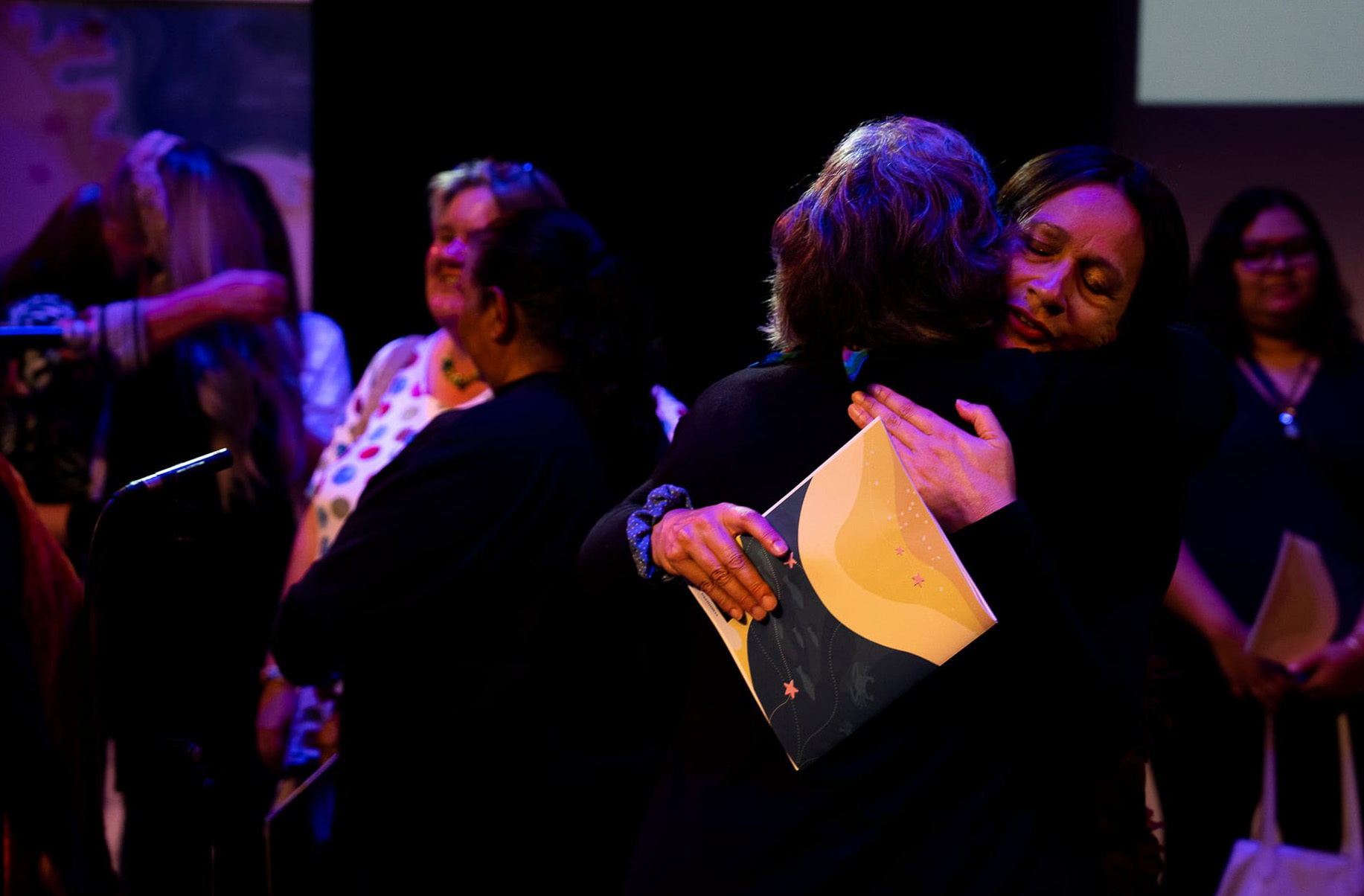
What might compassion and kindness look like? Pictured: Intercultural Lullabies Bunbury 2022
Compassion and kindness in cash terms
“We need compassion and kindness, which are hard things to put on a budget sheet,” says Klysz.
“But one option is raising funding caps [for government project funding programs]. I know that the State Government has done that recently, but I would argue they could go higher to take into consideration those extra costs we’re all incurring… funding projects to succeed and thrive, not just scrape through.
“We also need to lift funding caps so that we have room to pay for experience. I don't think it's appropriate to be building budgets where performers who have 20 years of continuous experience are getting paid minimum wage. We need to think about protecting those people so that they stay in the sector and in WA.”
Long-term issues need long-term investment
For Hudson, it’s about addressing long-term issues with long-term investment. The way to attract that level of ongoing financial support, she says, is to align the arts with the State Government’s broader socio-economic goals.
“So there's got to be that long-term focus on jobs, capacity building, community needs and measures that future-proof the sector – investment in innovation, technology, to help the sector get ready for any future crises, because we know there's going to be more,” she says.
A thriving arts sector is not a luxury
“Arts and culture are indispensable.” says Hudson. “That’s the message we’re promoting. It’s an investment – not a cost – in the long-term vibrancy and the livability of our state.”
There’s plenty of research to support this claim, says Klysz. “Data shows us that a strong arts and cultural sector is what supports community well-being and feelings of inclusivity and belonging. That has knock on effects to health and welfare, and livability and tourism. It's not a luxury add-on, it's integral.”
That’s why CACWA is looking to demonstrate the role the arts plays in sectors such as health, tourism, education and trade, says Hudson.
“You have to be thinking cross-portfolio, and be part of the bigger solutions for Western Australia. We know that the arts sector helps develop creativity and collaboration and communication, and all those skills that our future workforces need.
“We need policies that recognise the role of culture, arts and creativity more broadly for the lives of West Australians, and recognise and celebrate that intrinsic role of arts and culture across sectors, within industries and portfolios.”
Funding needs to happen from the grassroots
“The independent sector is the innovation incubator,” says Klysz. “When you're not supporting independents, and small to mediums, it's like pulling funding for Auskick and thinking you're going to have a solid AFL competition in the next five years.”
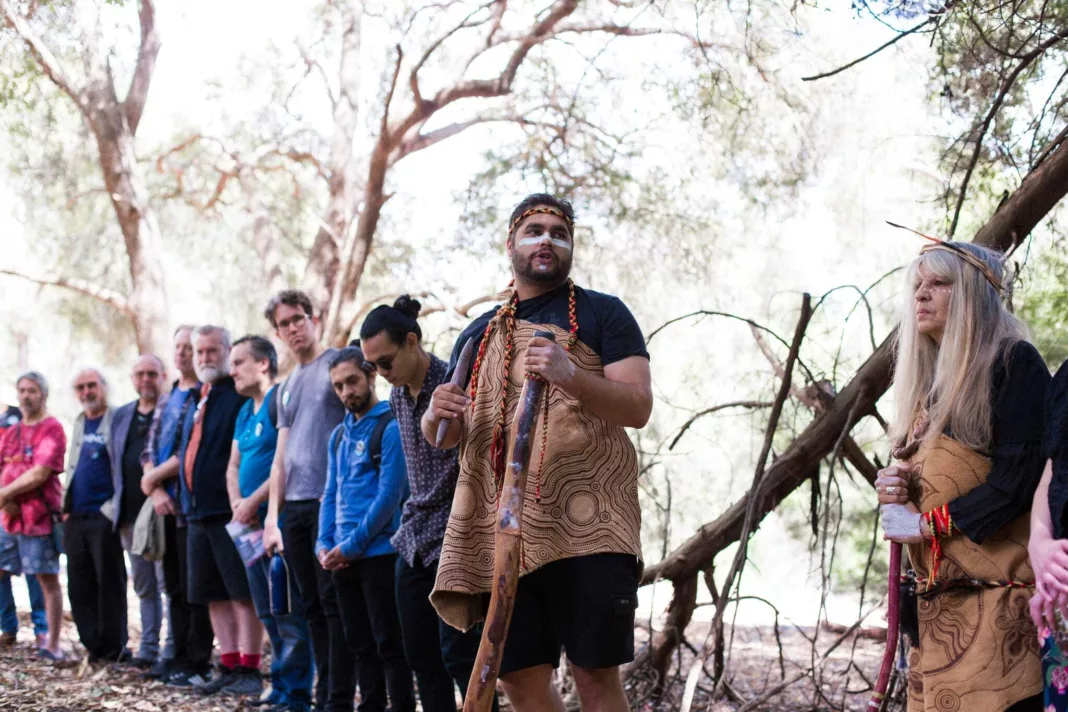
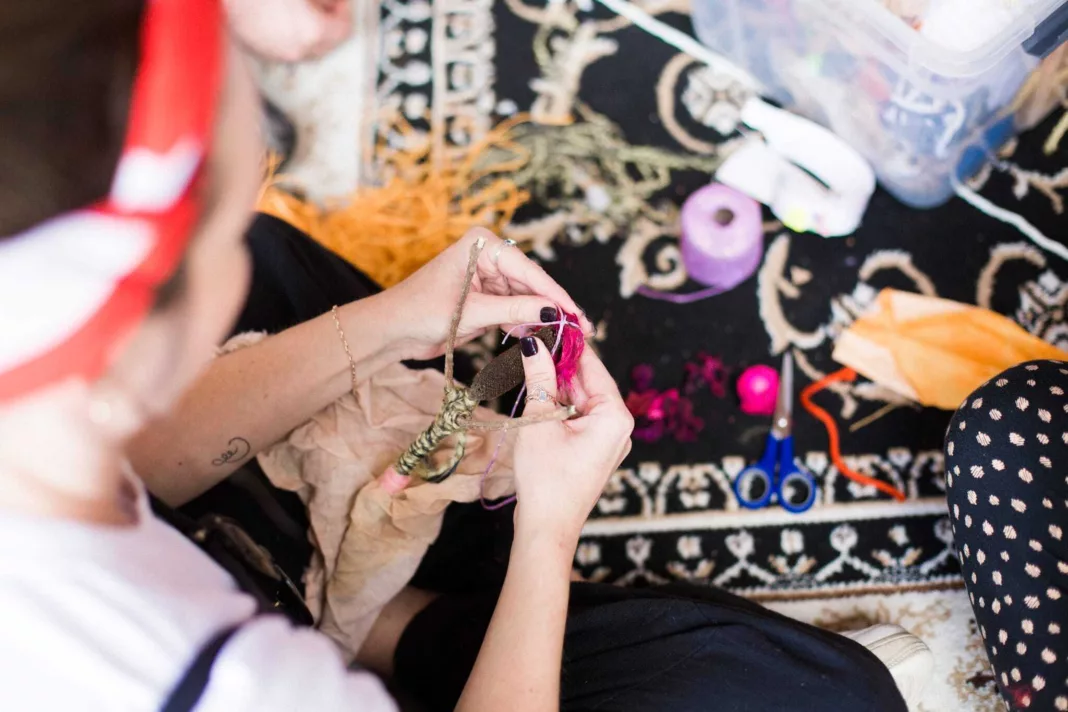
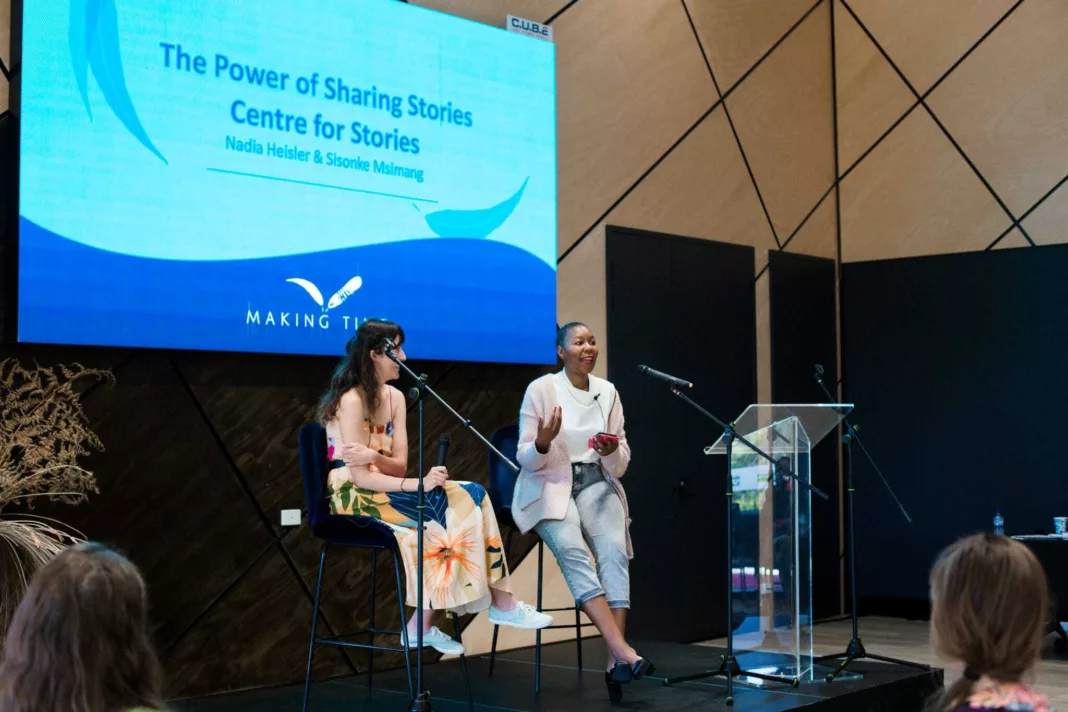
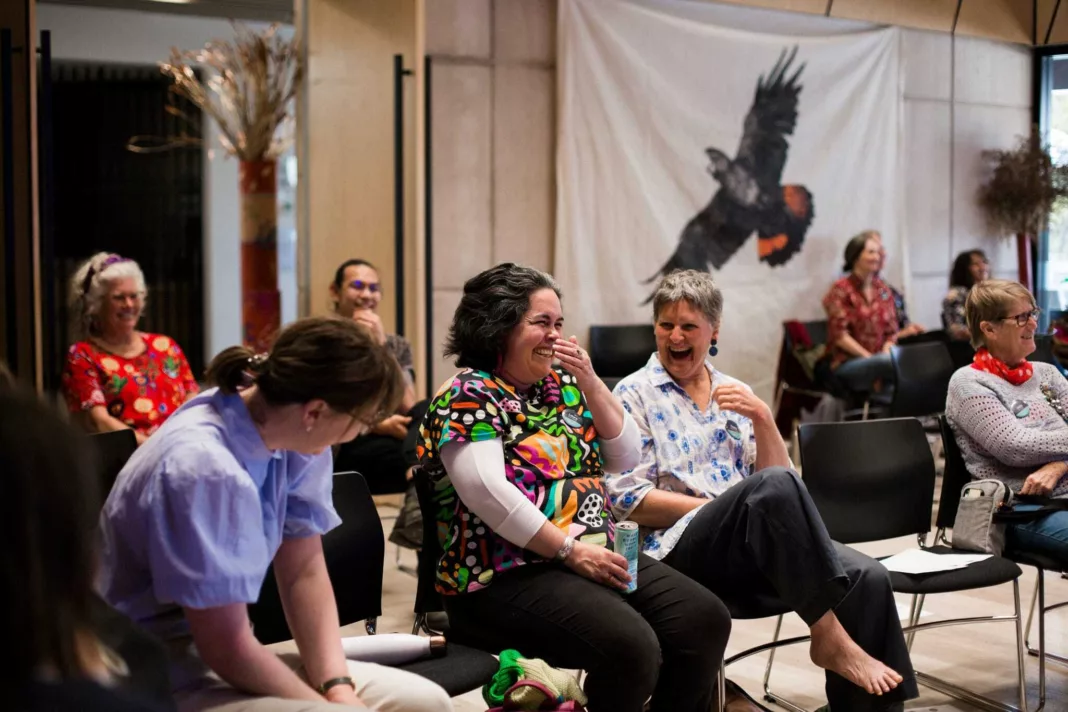
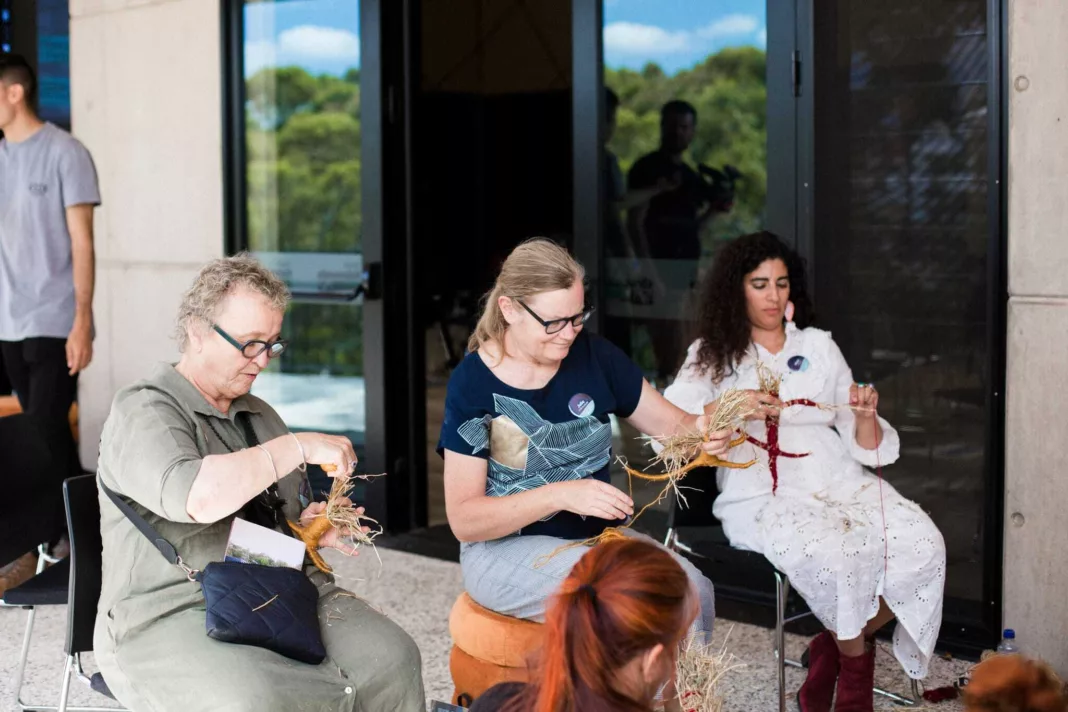 CAN's 2022 Making Time conference invited members of the WA arts community to focus on healing, well-being and self-care.
Michelle Troop
CAN's 2022 Making Time conference invited members of the WA arts community to focus on healing, well-being and self-care.
Michelle Troop
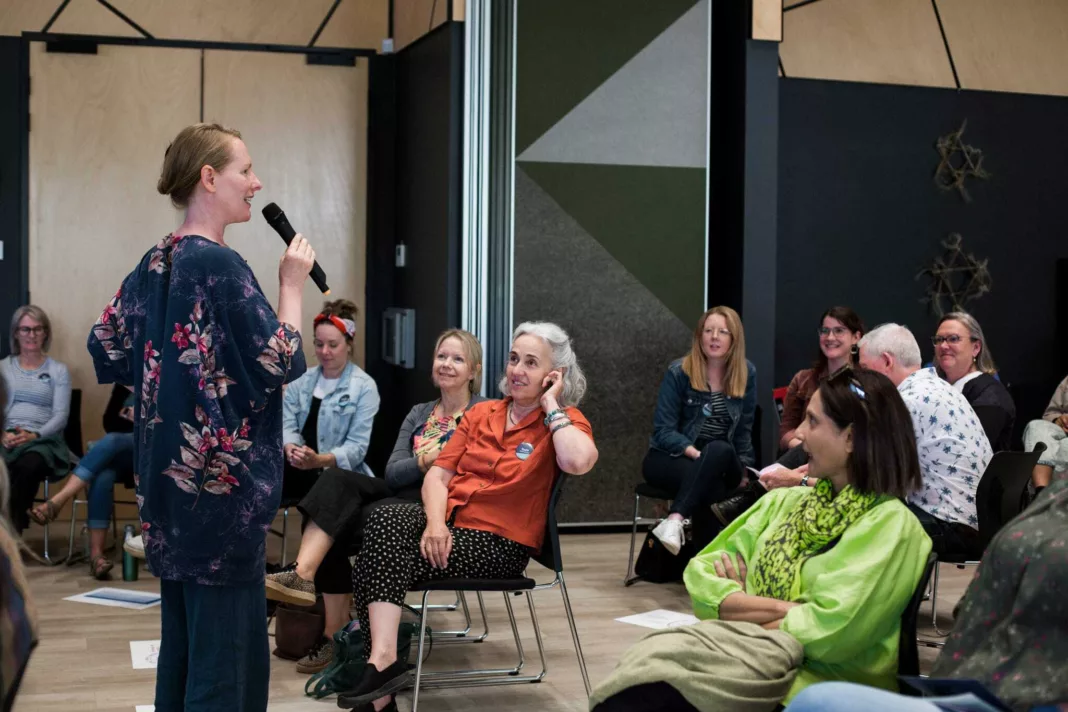 Psychologist Shona Erskine's session at Making Time focused on the importance of setting and respecting psychological boundaries.
Michelle Troop
Psychologist Shona Erskine's session at Making Time focused on the importance of setting and respecting psychological boundaries.
Michelle Troop
 CAN's 2022 Making Time conference invited members of the WA arts community to focus on healing, well-being and self-care.
Michelle Troop
CAN's 2022 Making Time conference invited members of the WA arts community to focus on healing, well-being and self-care.
Michelle Troop
 CAN's 2022 Making Time conference invited members of the WA arts community to focus on healing, well-being and self-care.
Michelle Troop
CAN's 2022 Making Time conference invited members of the WA arts community to focus on healing, well-being and self-care.
Michelle Troop
 CAN's 2022 Making Time conference invited members of the WA arts community to focus on healing, well-being and self-care.
Michelle Troop
CAN's 2022 Making Time conference invited members of the WA arts community to focus on healing, well-being and self-care.
Michelle Troop
 CAN's 2022 Making Time conference invited members of the WA arts community to focus on healing, well-being and self-care.
Michelle Troop
CAN's 2022 Making Time conference invited members of the WA arts community to focus on healing, well-being and self-care.
Michelle Troop
Compassion and kindness in human terms
Hudson’s vision for recovery includes caring for the people making art.
“Mental health is key, and the well-being frameworks our sector needs, the frameworks and policies that sit around that and the resources for them,” she says. “It’s a priority for the Chamber to do that work. We now have a member assistance program. But there's a lot more that we can do and we're planning for.”
The importance of prioritising the mental health of arts workers has shaped the direction of CAN’s sector development program. Observing our own feelings of burnout, after an intensely stressful couple of years, in 2022 our Making Time conference invited members of the WA arts community to focus on healing, well-being and self-care.
Quality media coverage for the arts
Klysz has one more item on her recovery wishlist.
“The arts has been pushed out of media. And it's really hard for the public to get on board about something that they don't know anything about.
“Again, it's not a new idea, but we've got a 10-minute news segment about sport every night on the news. Where’s our nightly arts report?”


Monday – Friday, 9am – 5pm
PO Box 7514 Cloisters Square WA 6850
King Street Arts Centre
Ground Floor
357–365 Murray Street
Perth WA 6000
08 9226 2422
admin@can.org.au
ABN: 72106364407
Copyright 2026 CAN