NEWS
A project that's captured Hugh's heart
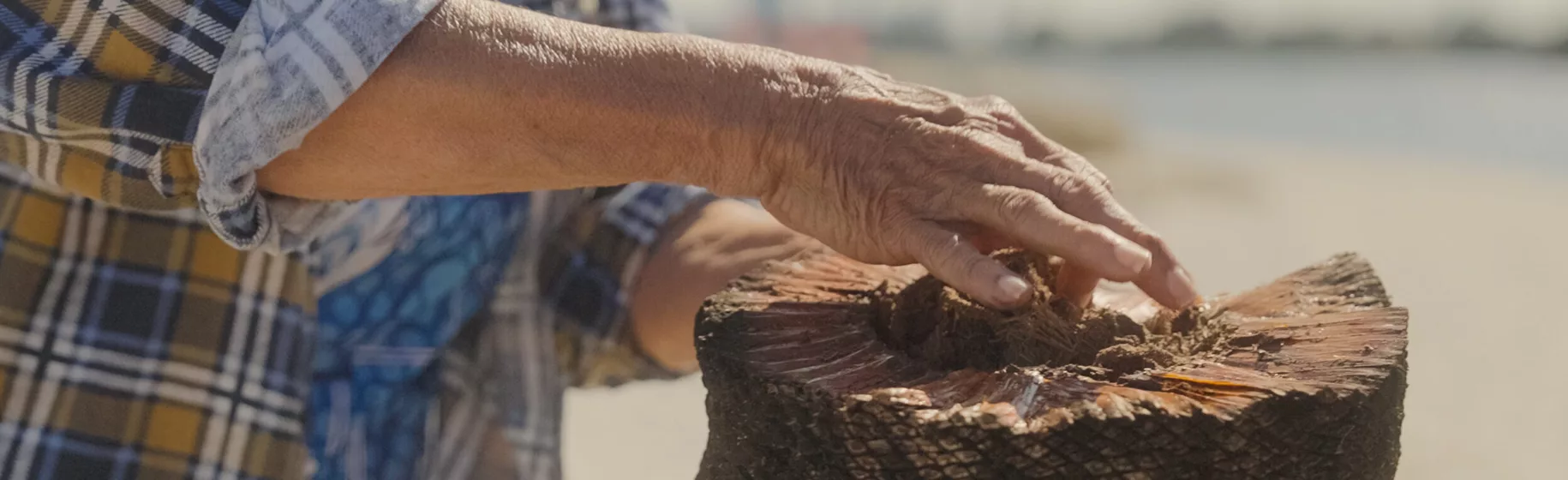
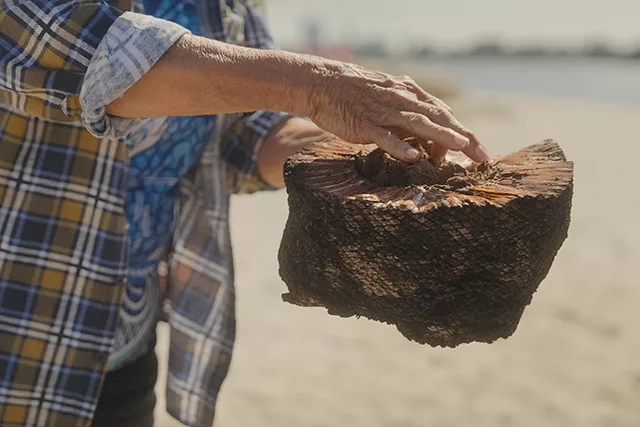
Renowned photographer and videographer Hugh Sando is directing a new documentary that will chart the rich and intriguing process of the Place Names Melville project. He tells Nina Levy why this film is so close to his heart.
Looking at Whadjuk Noongar man Hugh Sando’s evocative photography and videography it’s hard to imagine that he ever considered a career outside the arts.
Raised in Carnarvon, Sando attended Wesley College in Perth from the age of 12 and enrolled in an engineering degree after he graduated.
“I think what drew me to engineering was that at school I found [the subject] quite creative and there was a lot more problem solving involved,” says Sando. “This wasn’t the case at university.
“So I took a gap year to try and work out what I wanted to do with my life and stumbled across photography during that period. At first I was absolutely horrible at it but thankfully I was also passionate about it. When I'm passionate about something I enjoy the learning process."
Incredibly, that learning process took place entirely via YouTube videos, and just a year later the self-taught photographer secured an Indigenous Operations Traineeship at the ABC. Five years later Sando has expanded his practice into photojournalism, cinematography and directing, and is regarded by the ABC’s Landline team as “one of the best cinematographers in the WA branch”.
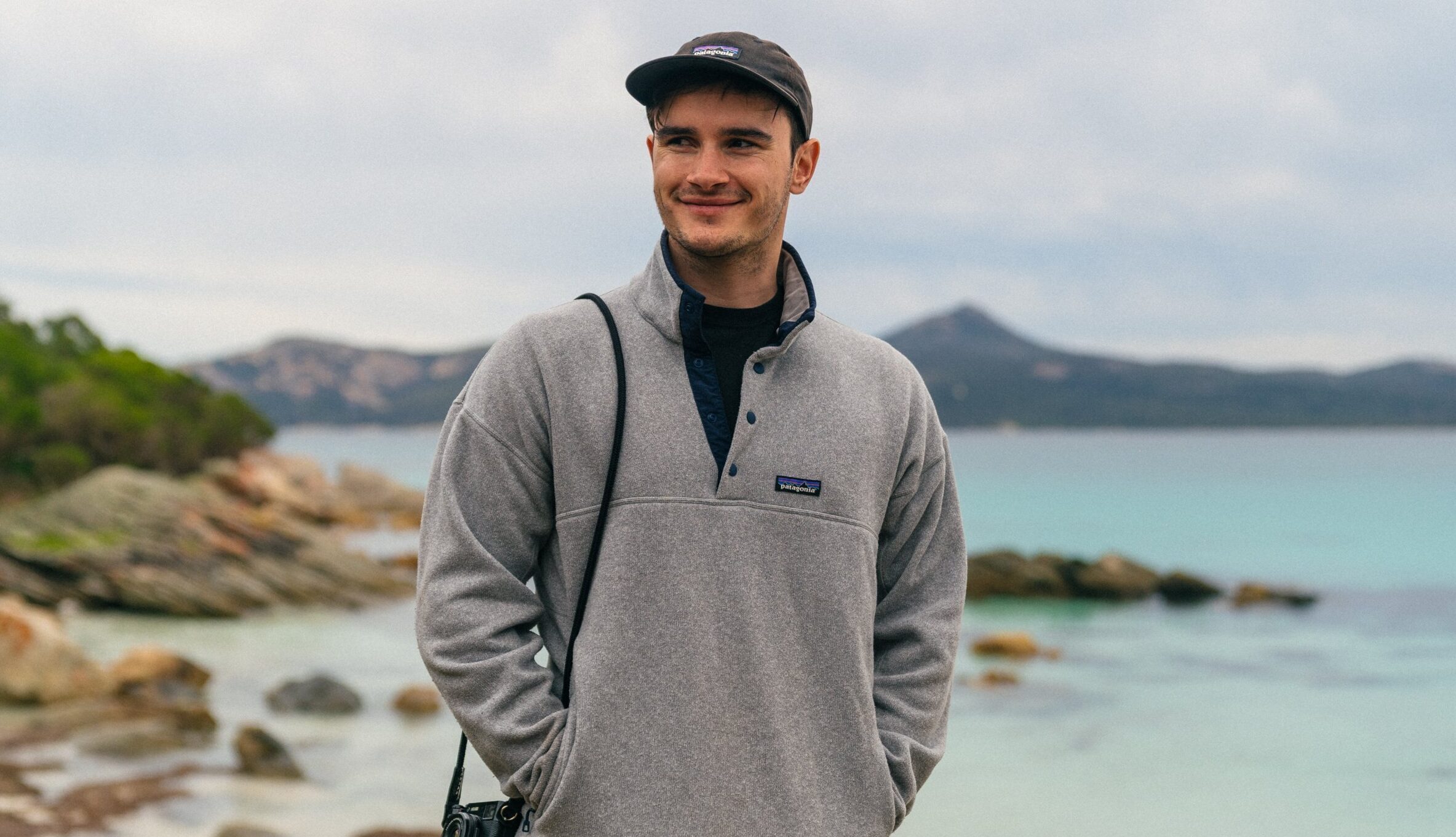
Hugh Sando
Hugh Sando
It was through the ABC that Sando connected with Community Arts Network, taking portraits of the 10 Elders whose stories were told in Ngaluk Waangkiny. Supported by the ABC, Ngaluk Waangkiny (Us Talking), is a landmark multimedia storytelling project that honours and preserves the legacy of Elders, documented via a book, podcast and film.
“Ngaluk Waangkiny is an incredible documentary, that’s really close to home, considering the history that my family on my Indigenous side have been through,” says Sando. “I couldn’t have had a better introduction to CAN.”
Sando then worked with CAN, Moodjar and the City of Melville on the first phase of Place Names Melville, a project that uncovers and decodes the original meanings of Noongar placenames in the City of Melville, and harnesses contemporary art-forms to celebrate Noongar language, heritage and culture. In this project Sando mentored participants through the process of recording natural soundscapes and sensory videos.
When CAN, City of Melville and Moodjar decided to make a longitudinal documentary about the Place Names Melville project, Sando was the obvious choice to direct the film.
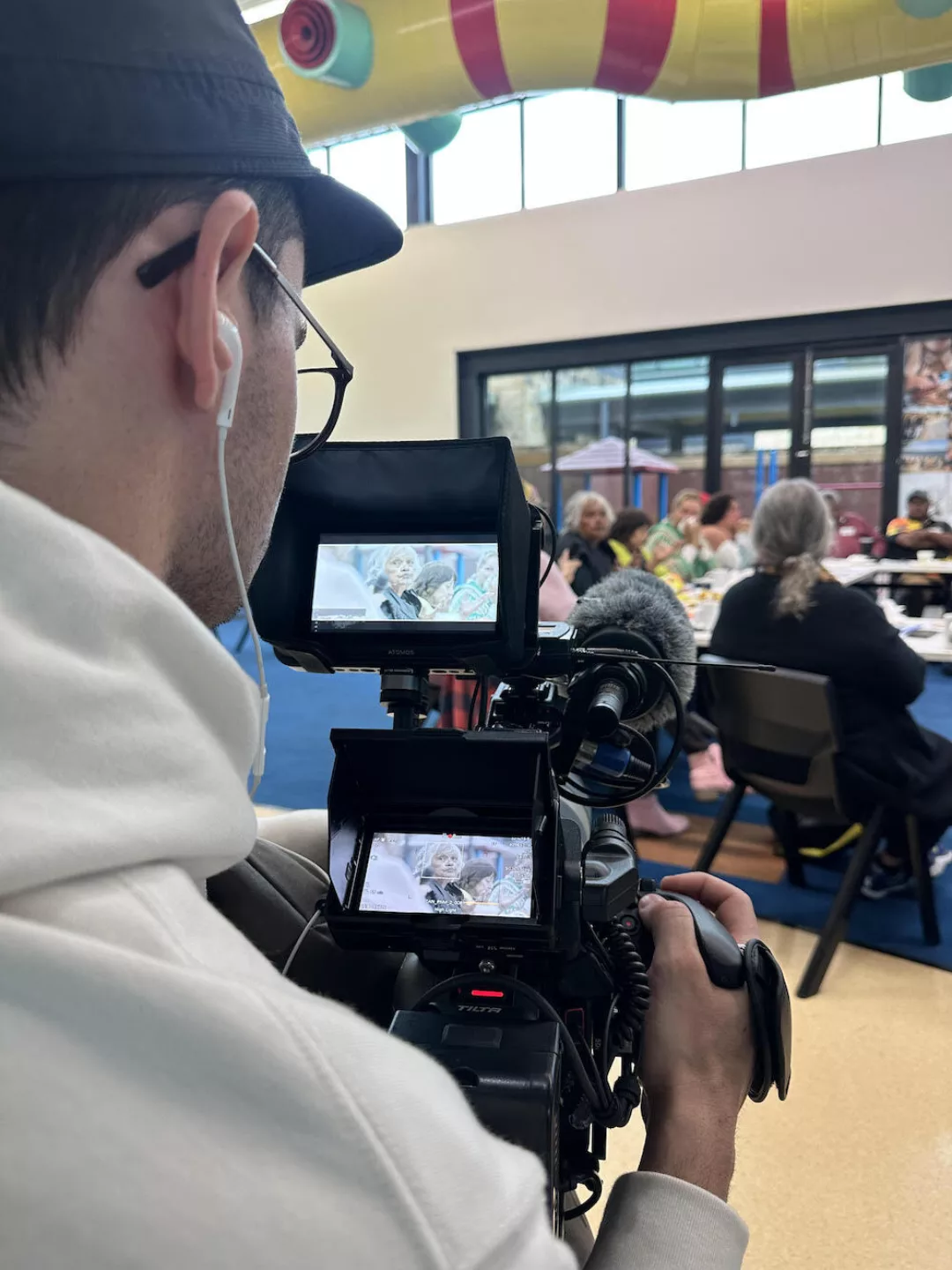
'It's a very privileged thing to even be in the room and listen to the Elders’ stories.' Hugh Sando filming for the Place Names Melville documentary.
Grounded in the importance of connecting to Country, the Place Names Melville documentary will weave together the many layers of this powerful project and its contribution to truth-telling, healing and reconciliation. Not only will the film capture the rich and intriguing process of decoding placenames with Elders, and of creating cultural maps and creative outcomes with the community, but it will explore the personal stories of the Elders, Noongar community members, non-Indigenous co-ordinators and artists involved in the project.
Sando says he was “over the moon” to be asked to direct the film.
“For me, already – we’re not even through the decoding process yet – it's such an inspiring and influential project to work on. It's a very privileged thing to even be in the room and listen to the Elders’ stories, to watch them engage in the decoding process, to be present when those conversations are happening.”
The stories of the people involved in the Place Names project are central to the process, he says.
“Those stories illustrate how meaningful – in a variety of ways – Place Names is; the process of decoding and expressing through cultural remapping, and the artist residencies... how influential that is for the people involved and the broader community.”
At the heart of the documentary, says Sando, is the message that understanding the Indigenous names of the land we all live on will enable all of us – First Nations people and non-Indigenous people – to become more connected to each other and to the land on which we live. And it’s a message he believes is relevant globally as well as locally.
“I want the doco to be a piece of content that illustrates what is possible with First Nations peoples – not just First Nations Australians, but First Nations people worldwide – what that process can look like and how effective it can be, and what sort of impact it can have not only for the First Nations people but also people from every culture that are now living on that land.
“I want viewers to see that they can have a deeper sense of the heritage and culture associated with the places that they're living on, that they're working on. I want it to be a film that makes people reflect on what's come before them and gives them a closer connection to Country.”
Top: A detail of one of Hugh Sando's photographs, from Touching Boodja, the launch event for phase II of Place Names Melville // credit Hugh Sando


Monday – Friday, 9am – 5pm
PO Box 7514 Cloisters Square WA 6850
King Street Arts Centre
Ground Floor
357–365 Murray Street
Perth WA 6000
08 9226 2422
admin@can.org.au
ABN: 72106364407
Copyright 2026 CAN